Jewelry By Designs

Search
Close this search box.

Cart

Cart

Search
Close this search box.

Cart

Blogs

What is May’s Birthstone?

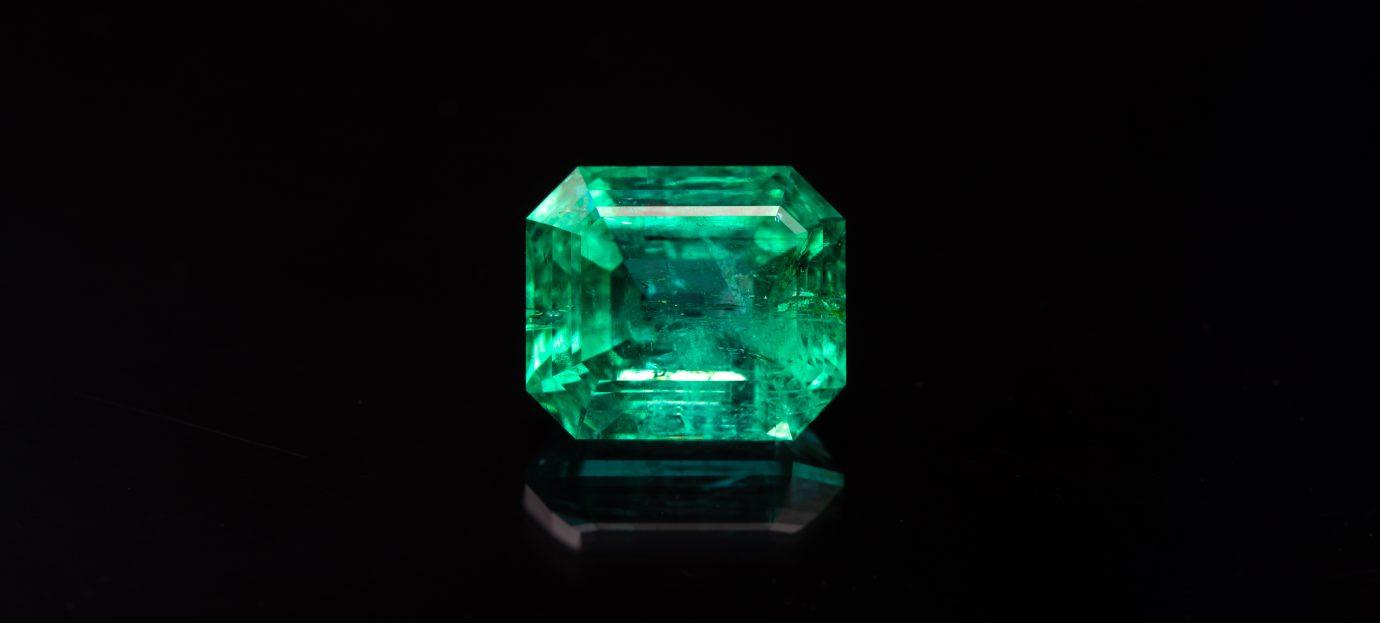
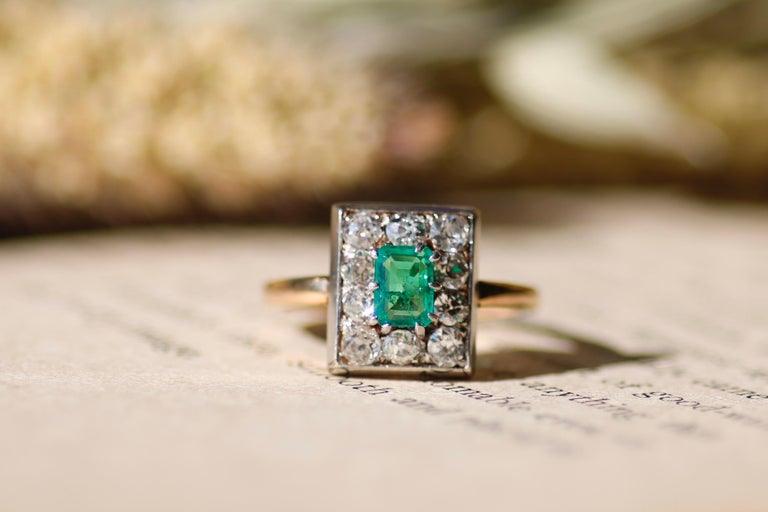
The birthstone for the month of May is emerald.

Emerald Gemstone
ColorGreen, with the most desirable colors being pure green or bluish green, with a vivid saturation
Hardness7.5-8 on the Mohs hardness scale.
ToughnessPoor to Fair; prone to breaking or chipping due to internal flaws and cleavage planes.
EtymologyFrom the Greek word “smaragdos” and the Latin “smargadus,” meaning “green gem.” Before that, it may have come from the Sanskrit word, “maragdam” and the Persian word “zumurrad.” Also attributed to the 12th-century Old French “esmeraude,” from Medieval Latin “esmaraldus.” May have originated from the Semitic word “baraq” which means “shine.”
Anniversary MilestoneEmerald is the traditional gift for the 55th anniversary and an alternative for the 20th and 35th anniversaries.
Origin(s)Colombia, Brazil, East Africa, South Africa, India, Pakistan, with lesser-known deposits in various other countries.
Common Treatment(s)Emeralds are commonly subjected to treatments. These treatments may include fracture or cavity filling, and dyeing.
Mineral FamilyBeryl; same as Aquamarine and Morganite.
Care RecommendationsClean using warm, soapy water and a soft-bristle brush. It’s not recommended to expose emeralds to heat or pressure changes. Hot water from washing dishes has been known to damage emeralds. Remove emerald jewelry before sleeping, swimming, cleaning, gardening, and other activities that may involve chemicals or impact. Store separately from other jewelry.
Electronic CleanersIt’s generally recommended to avoid electronic cleaners at home and consult with a professional when cleaning emerald jewelry.
Random FactSeattle is known as The Emerald City due it’s lush green appearance year round.
ColorGreen, with the most desirable colors being pure green or bluish green, with a vivid saturation
Hardness7.5-8 on the Mohs hardness scale.
ToughnessPoor to Fair; prone to breaking or chipping due to internal flaws and cleavage planes.
EtymologyFrom the Greek word “smaragdos” and the Latin “smargadus,” meaning “green gem.” Before that, it may have come from the Sanskrit word, “maragdam” and the Persian word “zumurrad.” Also attributed to the 12th-century Old French “esmeraude,” from Medieval Latin “esmaraldus.” May have originated from the Semitic word “baraq” which means “shine.”
Anniversary MilestoneEmerald is the traditional gift for the 55th anniversary and an alternative for the 20th and 35th anniversaries.
Origin(s)Colombia, Brazil, East Africa, South Africa, India, Pakistan, with lesser-known deposits in various other countries.
Common Treatment(s)Emeralds are commonly subjected to treatments. These treatments may include fracture or cavity filling, and dyeing.
Mineral FamilyBeryl; same as Aquamarine and Morganite.
Care RecommendationsClean using warm, soapy water and a soft-bristle brush. It’s not recommended to expose emeralds to heat or pressure changes. Hot water from washing dishes has been known to damage emeralds. Remove emerald jewelry before sleeping, swimming, cleaning, gardening, and other activities that may involve chemicals or impact. Store separately from other jewelry.
Electronic CleanersIt’s generally recommended to avoid electronic cleaners at home and consult with a professional when cleaning emerald jewelry.
Random FactSeattle is known as The Emerald City due it’s lush green appearance year round.

The Origin of the Emerald Cut

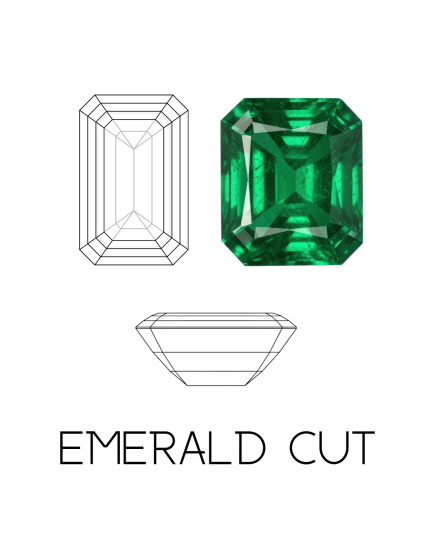
Have you ever wondered how the style of gemstone cutting called “the emerald cut” got its name? You might not be surprised to learn that the emerald cut was developed specifically for cutting emeralds. It dates back to the “table cut” from the 1500s, when gem cutters discovered that cutting emeralds this way reduced pressure on the stone, resulting in less chipping and damage during the process. Emeralds are notoriously more brittle than other gemstones and more prone to fractures and breaking. 

Heading (17)

The emerald cut gained popularity during the Art Deco era of the 1920s, which favored clean lines and symmetry. The emerald cut, while not as popular as other cuts like the round brilliant or princess, is a fairly common center diamond shape for engagement rings in modern times. Though it doesn’t produce as much brilliance as some of these other cuts, it’s considered an understated, elegant, minimalist stone cut in fine jewelry with an unmistakable allure.

Historical Uses & Spiritual Correspondences of Emerald

Ancient Egypt

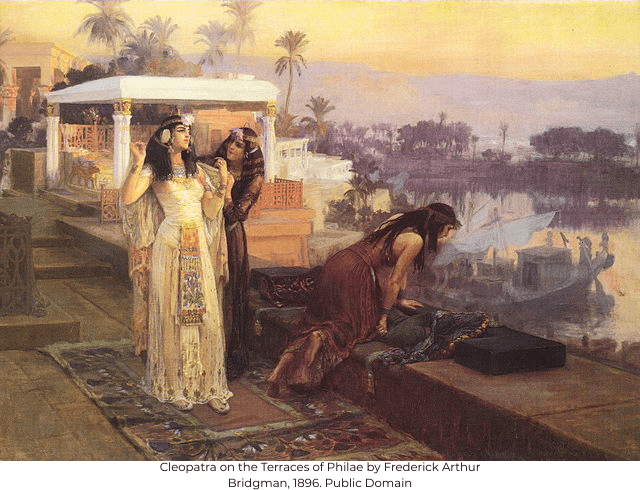
  • Cleopatra popularized the connection between emeralds and royal power. She allegedly:
    • Adorned herself with emeralds, decorated her palace with emeralds, and gave emeralds as diplomatic gifts.
    • She claimed emerald mines as her property. They are commonly referred to as Smaragdu Mons (Emerald Mountain). These mines were at one point “debunked,” only to later be proven as existing in 1817 by the French mineralogist and explorer, Frédéric Cailliaud
  • Associated with renewal and fertility
  • Emeralds were believed to hold the spirits of genies and could be used as talismans to protect the wearer
cleopatra-on-the-terraces-of-philae

Ancient India

  • Emeralds correspond with Annapurna, the goddess of food and nourishment in Hindu mythology
  • From the centuries-old ancient texts of India, the Vedas state that “emeralds promise good luck” and “the emerald enhances the well-being.”
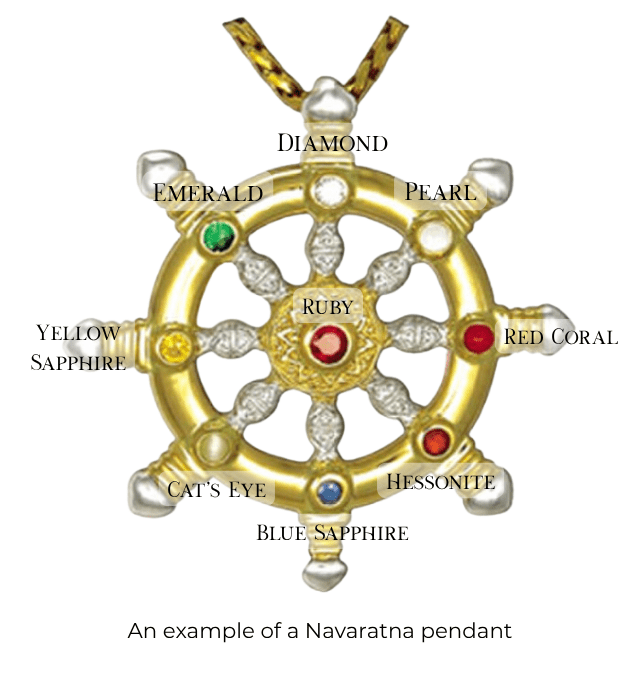
  • Emeralds are part of the Navaratna pendant, which means “nine gems,” and also includes ruby, diamond, pearl, blue sapphire, topaz or yellow sapphire, cat’s eye, coral, and zircon or hessonite. Each stone corresponds with a celestial planet or deity, with emerald corresponding with Mercury. Wearing Navaratna jewelry helps to harness the power of each celestial planet to achieve goals or overcome challenges. Navaratna pendants are still sometimes worn today.
Navaratna Pendant

Ancient Middle East

  • Emeralds correspond with Astarte, the mother goddess of love, sexuality, war, and healing.
  • In ancient Islamic folklore, they were said to symbolize paradise and reflect the beauty of heaven.

Ancient Rome and Greece

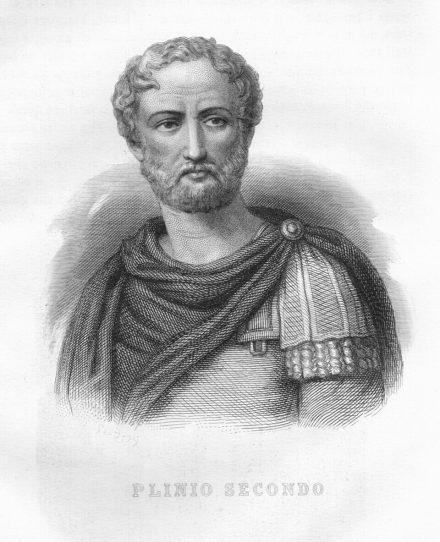
  • The 1st-century Roman writer Pliny stated that “No color is more attractive than their color… it is the only gem that satisfies without tiring the eyes.”
  • Also according to Pliny, ancient-era gemcutters and engravers would keep a piece of emerald at their work table and fix their eyes on it when they began to feel fatigued: “…when the vision has been fatigued with intently viewing other objects, it is refreshed by being turned upon this stone.”
  • Emeralds correspond with the goddess Aphrodite/Venus, the Greek and Roman (respectively) goddess of love
pliny-the-elder

Ancient China

  • Emeralds were part of a combination of gemstones used as a protection amulet for homes. An emerald, ruby, diamond, pearl, and coral were wrapped in a piece of paper with the names of deities, the moon, and the 27 constellations of the moon and hung at the front door.
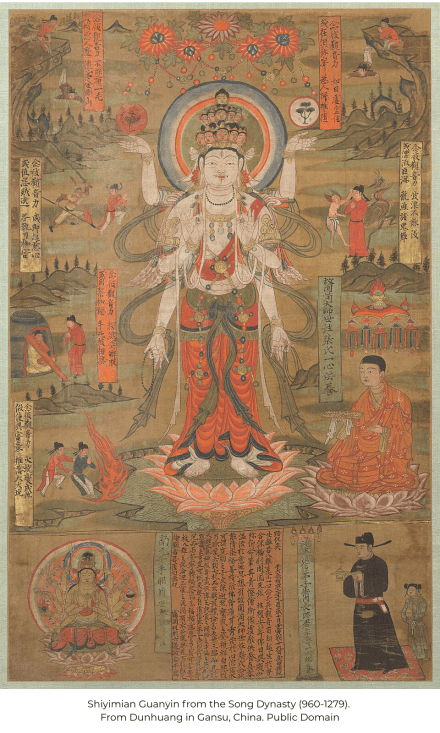
  • Emeralds are associated with Kwan Yin or Guan Yin, the goddess of mercy and compassion.
  • Emeralds correspond with the Chinese element of Wood, which symbolizes growth, vitality, and renewal.
  • Used in Feng Shui, the ancient art of placement, to enhance abundance and wealth.
  • Often used for auspicious milestones. For example, a a bride might wear emerald on her wedding day, or it could be given as a gift to a couple trying to conceive.
Shiyimian Guanyin

Middle Ages

  • The Emerald Tablet, also known as the Tabula Smaragdina or The Secret of Hermes, became the basis for spiritual alchemy in Medieval and Renaissance times. While the author is allegedly Hermes Trismegistus (Hermes the Thrice Great), a legendary Egyptian sage, it has been theorized that it was actually written around 800 A.D. as a book of advice for kings.

Inca Civilization (Pre-Columbian)

  • Highly revered in the Peruvian Incan civilization and worn only by nobility.
  • Associated with Umina, the Andean goddess of health and healing. 
  • When Umina died, her heart was transferred into a gigantic emerald, which was worshipped as a symbol of her. Touching the emerald was said to cure ailments and restore health. It became a pilgrimage site for the sick.
  • The “Umina” emerald was allegedly a real emerald that existed. Spanish conquistadors attempted to steal it, but it was hidden by the temple priests and its whereabouts are unknown to this day.
machu-pichu

Christian/Biblical References

  • Emeralds are referenced several times in the Bible:
    • Exodus 28: 15-21 – They were part of the High Priest’s breastplate
    • Ezekiel 28:13 – mentioned in the prophecy against King Tyre
    • Revelations 4: 1-6 – The rainbow encircling the throne is compared to an emerald
    • Revelations 21: 19-21 – The city is described as being decorated by many different types of gemstones, with emerald being the fourth layer

Modern Spirituality

  • Love (a faithful, deep, and everlasting love; as contrasted with the passionate and intense love attributed to rubies)
  • Loyalty
  • Wisdom
  • Growth/Fertility
  • Renewal
  • Prosperity
  • Rebirth/Spring
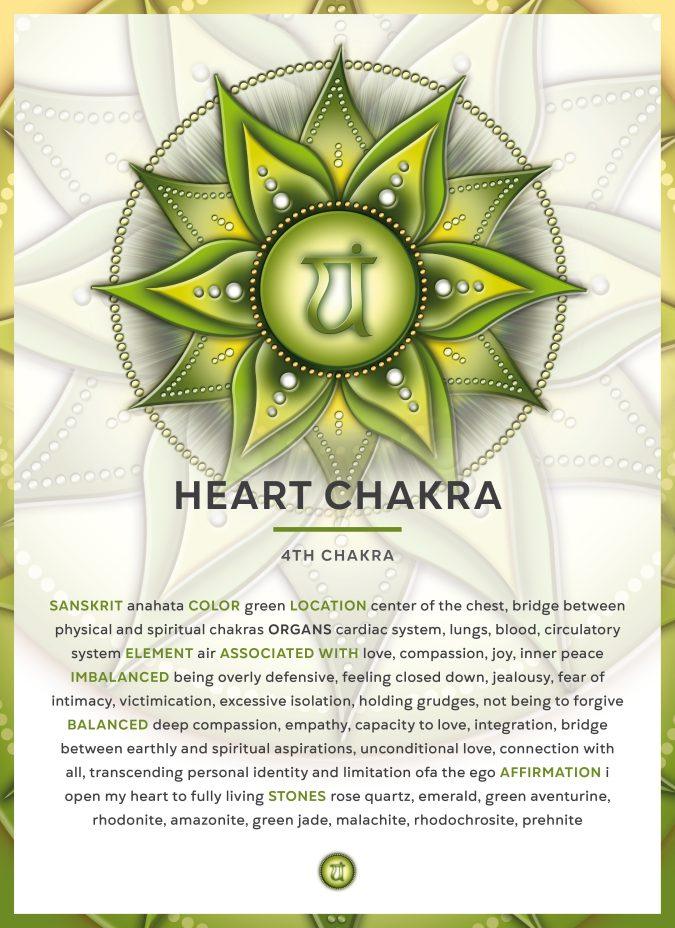
  • Heart or Anahata Chakra – Seat of Emotions
  • Vision – both physical and psychic
  • Astrology:
    • Taurus & Gemini, the two zodiac signs that fall within the month of May
    • Venus & Mercury, the two planets associated with Taurus and Gemini
  • Tarot Cards (Rider-Waite Smith tradition):
    • Major Arcana: The Empress (Venus), The Hierophant (Taurus), The Lovers (Gemini), and The Star (healing).
    • Minor Arcana: The Queen of Cups (healing, intuition), Two of Cups (love, harmony), Three of Cups (harmony, celebration)
HEART CHAKRA (Anahata): Chakra symbol infographic with detailed description & characteristics

Conclusion

Emerald, as the May birthstone, is full of rich history and lore from around the world. From goddesses of healing, love, and harmony, to Cleopatra and nobility, they hold a place of reverence and respect within the jewelry and gemstone world.

Leave a Reply

LIMITED TIME: Exclusive Holiday Offers

Until January 30th only, our graduate gemologists are taking requests to be your personal shopper. 

March 12th-14th

Vintage & Estate

jewelry show

Receive exclusive bundle prices on fashion estate jewelry and a savings of $100 off purchases of $500+ on fine estate jewelry. Explore an exclusive, curated collection not usually available in-store!

RSVP FOR THE VINTAGE & ESTATE SHOW
*RSVP Not Required to Attend
A fashionable young woman with red hair stands against a pink backdrop holding a red sale sign, expressing excitement.
sale-1-cropped (2)

Closed July 4th

We will be closed on Friday, July 4th in observance of Independence Day. We hope you have a pleasant and safe holiday.

Don’t forget to take advantage of our 20% online sale on July 4th only!

USE CODE: HOLIDAY20

Save Your Jewelry